
Joint discomfort can make ordinary activities feel harder than they should. Getting out of bed, climbing stairs, sitting at a desk, reaching overhead, or taking a walk may become uncomfortable when your joints are stiff or painful.
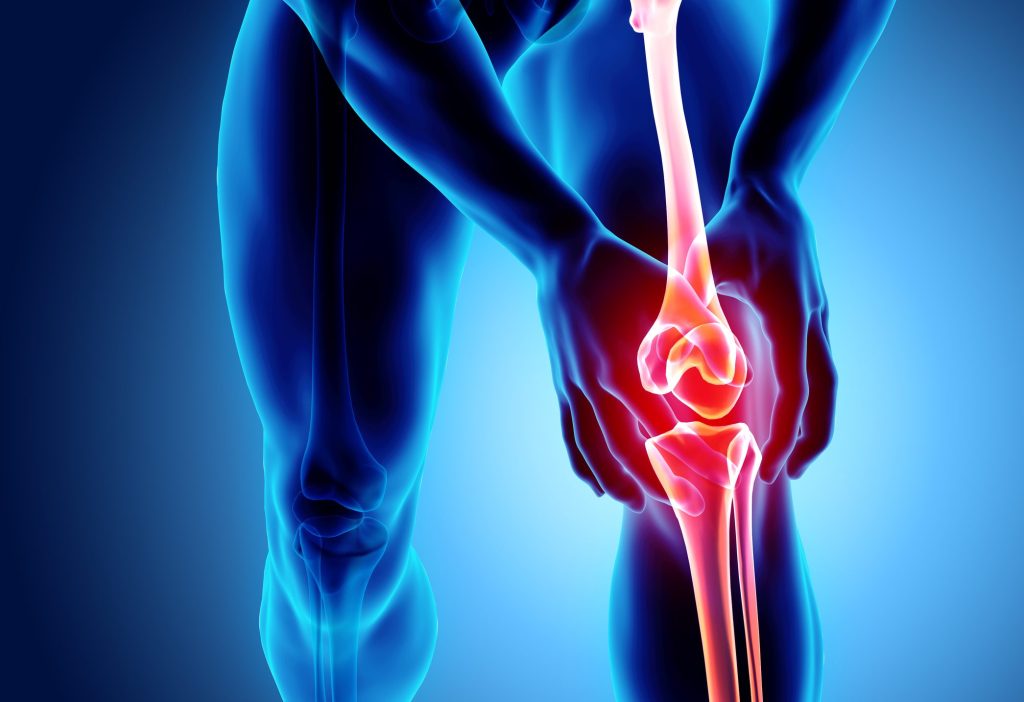
The good news is that the right movement strategy can often make daily activities easier. Joint Pain relief therapy focuses on improving mobility, strength, flexibility, and movement patterns based on your individual needs. At Midwest Physical Therapy LLC, the goal is to help people understand their physical limitations and work toward better function through personalized care.
1. Understand What May Be Contributing to Your Joint Pain
Joint pain does not always come from one specific cause. Previous injuries, repetitive activities, muscle weakness, reduced flexibility, prolonged sitting, and changes in movement mechanics can all play a role.
A physical therapy evaluation can look beyond the painful area. Your therapist may assess:
- Joint mobility and flexibility
- Muscle strength and endurance
- Balance and coordination
- Posture and movement habits
- How you perform everyday activities
Understanding these factors can help create a treatment plan that fits your body and lifestyle.
2. Keep Your Body Moving
When a joint feels uncomfortable, avoiding movement completely can seem like the easiest option. However, too much inactivity may contribute to stiffness and reduced physical capacity.
Gentle, appropriate movement can help maintain mobility and confidence. The type and amount of activity should depend on your symptoms and physical condition.
A physical therapist can help you identify exercises that are suitable for your current abilities and gradually adjust them as your movement improves.
3. Build Strength Around Problem Areas
Muscle strength provides important support for everyday movement. Weakness around the hips, back, shoulders, or other areas can affect how forces are distributed during activities.
For example, hip joint pain relief therapy may include exercises that strengthen the muscles surrounding the hips and improve lower-body control. Stronger supporting muscles can make activities such as walking, standing, and climbing stairs more manageable.
Strength exercises should be introduced gradually. The objective is to challenge the body without unnecessarily aggravating symptoms.
4. Address Back and Neck Movement
Joint discomfort does not always stay isolated to one region. Changes in posture or movement can influence how different parts of the body work together.
Back Pain Physical Therapy may include exercises designed to improve spinal mobility, core strength, flexibility, and functional movement. These skills can be particularly useful for people whose back discomfort affects sitting, lifting, walking, or exercise.
Similarly, Neck Pain Physical Therapy can address neck mobility, upper-back strength, posture, and movement control. Treatment can be adapted for people who spend long hours at a computer, participate in sports, or have experienced a previous injury.
5. Give Your Shoulders the Right Support
Shoulder discomfort can interfere with reaching, lifting, dressing, sleeping, and recreational activities. One common source of shoulder problems is irritation or injury involving the rotator cuff.
Chronic shoulder joint pain relief may involve improving shoulder mobility, strengthening the surrounding muscles, and retraining movement patterns. If you have Rotator cuff injuries, your treatment plan should be based on your condition, symptoms, and functional goals.
A gradual strengthening program can help restore confidence with everyday shoulder movements. Your therapist can also guide you on modifying activities when certain movements place excessive stress on the shoulder.
6. Improve Everyday Movement Habits
Small habits can influence how your body feels throughout the day. Sitting in one position for several hours, repeatedly lifting objects with poor mechanics, or returning to exercise too quickly may contribute to recurring discomfort.
Consider simple strategies such as:
- Taking regular movement breaks during long periods of sitting
- Using appropriate lifting techniques
- Changing positions throughout the day
- Following a gradual exercise progression
- Paying attention to movements that consistently increase discomfort
These adjustments are not about avoiding activity. They are about finding practical ways to manage physical demands while your body becomes stronger and more capable.
7. Follow a Personalized Physical Therapy Plan
One of the most useful aspects of physical therapy is personalization. Two people with similar symptoms may have very different strength levels, mobility limitations, lifestyles, and goals.
A personalized Joint Pain relief therapy program can combine therapeutic exercise, mobility work, manual techniques, movement education, and activity recommendations when appropriate.
Your program can also evolve as you progress. Exercises that are challenging today may become easier over time, allowing your therapist to introduce new movements or increase the level of resistance.
When Should You Consider Physical Therapy?
Consider speaking with a qualified physical therapist when joint discomfort continues to interfere with your normal activities or makes it difficult to maintain your preferred lifestyle.
You may benefit from an evaluation if you notice:
- Persistent stiffness or discomfort
- Reduced range of motion
- Difficulty walking or climbing stairs
- Trouble reaching or lifting
- Pain that affects exercise or recreational activities
- Reduced strength or confidence with movement
Physical therapy can help you understand your movement limitations and develop practical strategies based on your needs.
Conclusion
Managing joint discomfort does not have to mean giving up the activities you enjoy. Improving mobility, developing strength, adjusting movement habits, and following a structured rehabilitation program can help support better physical function.
From hip joint pain relief therapy and Back Pain Physical Therapy to Neck Pain Physical Therapy and care related to Rotator cuff injuries, Midwest Physical Therapy LLC provides individualized guidance focused on your goals and everyday needs.
If joint discomfort is affecting your movement, contact Midwest Physical Therapy LLC to learn more about your options and take the next step toward improving mobility and function.