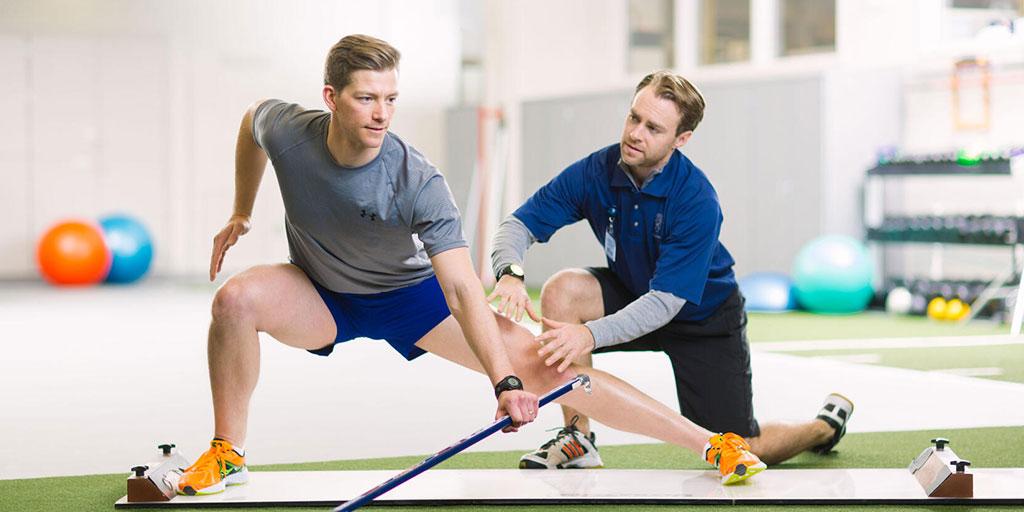
Staying active is a great way to support your health, but sports and exercise can also place significant demands on your muscles, joints, and movement patterns. A sudden injury, recurring soreness, or reduced performance can make it difficult to enjoy the activities you love.
Sports Physical Therapy provides a structured approach to rehabilitation, injury prevention, and improved physical performance. Whether you are recovering from an injury or want to move more efficiently, working with a physical therapist can help you understand your body’s movement and build a plan around your goals.
At Midwest Physical Therapy LLC, treatment is tailored to the individual rather than following a generic routine.
1. Supports Recovery After Sports Injuries
Sports injuries can happen during training, competition, or even routine workouts. Common concerns include muscle strains, ligament injuries, tendon problems, sprains, and overuse conditions.
A sports-focused rehabilitation program can help address factors such as:
- Reduced range of motion
- Muscle weakness
- Poor balance or coordination
- Limited flexibility
- Changes in movement mechanics
- Difficulty returning to specific activities
Your physical therapist can gradually introduce exercises that match your current abilities and progress them as your strength and mobility improve.
2. Helps Restore Strength and Mobility
After an injury, avoiding movement completely may sometimes leave you feeling weaker or stiffer. A carefully planned exercise program can help you regain functional strength and mobility while respecting your current tolerance.
Treatment may include therapeutic exercises, mobility drills, flexibility work, balance training, and functional movements.
The exercises are selected according to your needs. For example, a runner may require different rehabilitation exercises than someone who participates in recreational basketball or strength training.
3. Helps You Return to Your Favorite Activities
One of the biggest concerns after an injury is knowing when and how to return to sport.
Simply feeling less pain does not always mean your body is ready for every movement involved in your activity. A physical therapist can assess strength, mobility, balance, and movement control before progressing you toward more demanding activities.
A return-to-sport plan may gradually include:
- Basic mobility and strength exercises
- Controlled functional movements
- Sport-specific drills
- Increased training demands
- A gradual return to normal activity
This approach can help you build confidence as your physical abilities improve.
4. May Help Reduce the Risk of Future Injuries
Injury prevention is another important part of sports rehabilitation.
Weakness, poor movement control, limited mobility, and sudden increases in training volume can affect how the body handles physical demands. Identifying these factors can provide useful information for improving your training routine.
A physical therapist may recommend:
- Strengthening exercises
- Warm-up and mobility routines
- Balance and coordination exercises
- Technique adjustments
- Training-load guidance
- Sport-specific conditioning
The goal is to help your body better handle the movements required by your activities.
5. Get Personalized Care Close to Home
Finding the right provider can make it easier to stay consistent with your rehabilitation program. If you are searching online for Physical therapy near me, proximity may be one factor to consider, but the provider’s approach and services are also important.
For people looking for Physical Therapy in Plymouth, Midwest Physical Therapy LLC offers individualized care designed around movement, rehabilitation, and functional goals.
Working with a local Physical therapist in Plymouth can also make ongoing appointments more convenient, especially when rehabilitation requires several stages of treatment.
6. Dry Needling May Complement Your Treatment
Depending on your condition and individual treatment plan, dry needling may be considered as one component of rehabilitation.
Dry Needling Therapy Plymouth services can be used by qualified providers as part of a broader approach to addressing certain muscle and movement-related concerns. It is not a replacement for exercise-based rehabilitation, but it may complement other treatment techniques when clinically appropriate.
Your physical therapist can determine whether this approach is suitable for your particular needs.
7. Builds Confidence in Movement
An injury can sometimes make athletes hesitant to return to the movements that caused discomfort. This can affect confidence even after physical symptoms begin improving.
A progressive rehabilitation program gives you opportunities to practice movements under controlled conditions. Over time, exercises can become more challenging as your abilities develop.
This process can help you understand your body’s capabilities and become more comfortable with activities such as running, jumping, changing direction, lifting, or other sport-specific movements.
What to Expect From Sports Physical Therapy
Your first appointment may include a discussion about your symptoms, injury history, physical activities, and goals. Your therapist may then evaluate your movement, strength, flexibility, balance, and functional abilities.
Based on the assessment, you may receive an individualized treatment plan that can include:
- Exercise-based rehabilitation
- Manual therapy when appropriate
- Mobility training
- Strength conditioning
- Balance exercises
- Functional movement training
- Education for managing activity levels
Your program can be adjusted as you progress.
Conclusion
Sports injuries do not have to mean giving up the activities you enjoy. With appropriate rehabilitation, education, and progressive exercise, many people can work toward improved strength, mobility, movement, and confidence.
If you are recovering from an injury, experiencing recurring discomfort, or looking for guidance to return to an active lifestyle, Sports Physical Therapy may provide a structured path forward.
Midwest Physical Therapy LLC provides personalized rehabilitation and movement-focused care for active individuals. If you are looking for a Physical therapist in Plymouth, contact the clinic to discuss your needs and determine whether physical therapy is appropriate for you.