
At our clinic, we offer Dry Needling Therapy in Plymouth as an effective treatment option for muscle pain and tightness. It’s especially helpful for patients dealing with chronic discomfort, sports injuries, or limited mobility.
During your session, our trained therapists use fine, sterile needles to target trigger points and release muscle tension. Most patients notice relief and improved movement shortly after treatment.
Dry needling is often combined with Physical therapist in Plymouth techniques to enhance results and speed up recovery. It’s a safe, proven approach we’re proud to provide as part of your personalized care plan. Contact us today.
Explore Dry Needling Therapy in Plymouth for muscle pain relief and improved mobility. Find a physical therapist in Plymouth and physical therapy near me for targeted care.
Muscle tension, lifelong tightness and movement limits may restrict daily functioning and cause constant discomfort. Dry Needling Therapy Plymouth is the focus of many people who want to use a specific method to alleviate pain, relax tight muscles, and improve mobility. Dry needling is part of the physical therapy applications where deep muscular problems that cannot be resolved by stretching exercises or strengthening exercises are treated.
This treatment is focused on trigger points that are hyperirritable areas in the muscle which cause pain, stiffness, and decreased movement. The treatment allows the muscle to relax, heal, and work more comfortably by stimulating these regions.
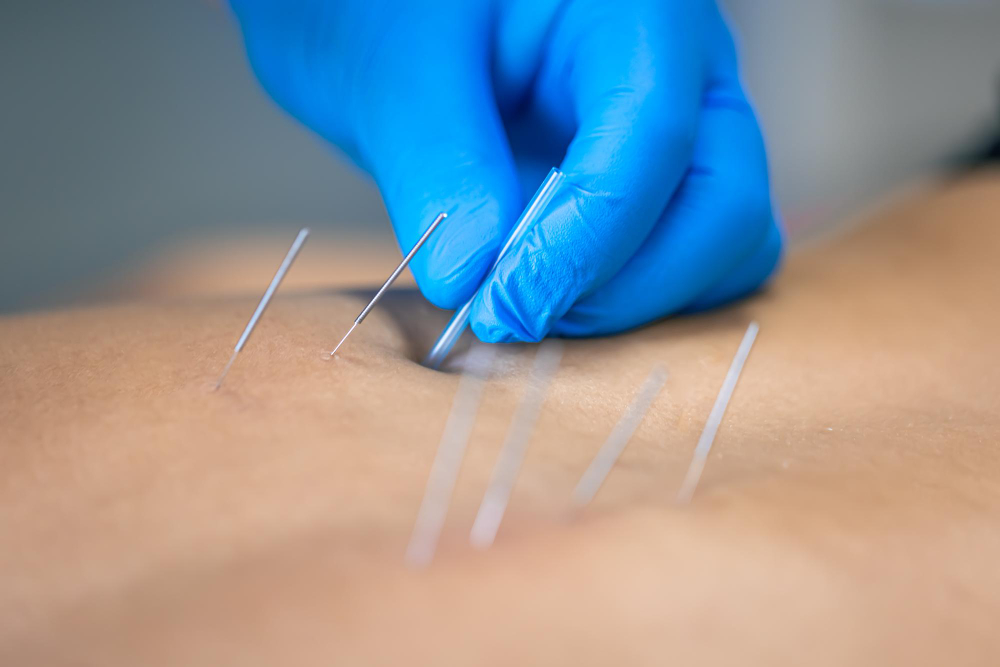
Dry needling is done when fine and thin needles are inserted directly into tight or irritated muscle tissue. Such points tend to be strained, overstrained, postured, or even injured. The muscle tends to respond with a rapid discharge when stimulated, improving blood flow and mobility.
It is commonly used for:
It is an option many people use where they need a quicker pain relief, or when the conventional methods fail.
Dry needling also affects the neuromuscular system which contributes significantly to the response of muscle to stress or injury. Once a trigger point gets activated it tends to cause pain which extends away. By hitting this point, the pattern is broken to stimulate muscle reset.
Benefits often include:
Because the release is immediate in many cases, movement exercises performed afterward often become more effective.
Patients who seek the services of a Physical therapist in Plymouth usually seek an individual capable of integrating physical therapy, exercise, and other expertise such as dry needling. The question of whether or not dry needling can be included in a certain condition and its way of incorporation into a comprehensive treatment plan depends on the trained therapist.
The therapist evaluates:
From there, dry needling may be applied alone or paired with strengthening, mobility work, stretching, or manual therapy.
Dry needling is used for a wide range of musculoskeletal conditions. These may include:
In the case of sportswomen, monotonous training can lead to extensive tightness, which affects movement patterns. In the case of office workers, tight shoulders, stiff necks, and lower back problems can occur due to long sitting. Dry needling assists in correcting underlying tissue that causes the two kinds of pain.
While dry needling provides targeted release, the long-term recovery often comes from consistent physical therapy exercises. Many individuals search for Physical therapy near me because they want both immediate relief and structured rehabilitation.
A combined approach may include:
This pairing creates balance—releasing tight muscles while strengthening the ones that need support.
The sessions are normally simple. The therapist locates the trigger point and sticks a thin needle into it. A short twitch is normal and this means that the tension point has been stimulated. Then the muscle usually becomes less tight or becomes light.
This can be mild soreness temporary like post-exercise fatigue and most of the time it goes away. Numerous people claim the observable improvement in the same day or soon.
By reducing tension and improving muscle function, dry needling often leads to easier daily movement. This includes:
Better mobility promotes healthier movement patterns throughout the body.
Dry needling does not work as an independent treatment but a useful part of an entire treatment plan. It aids in the long-term strength, enhanced alignment, and decreased pains when performed together with directed physical therapy.
This treatment is an effective route to permanent pain relief and true functionality to those who are living with recurrent pain, limited mobility, or muscle spasms.